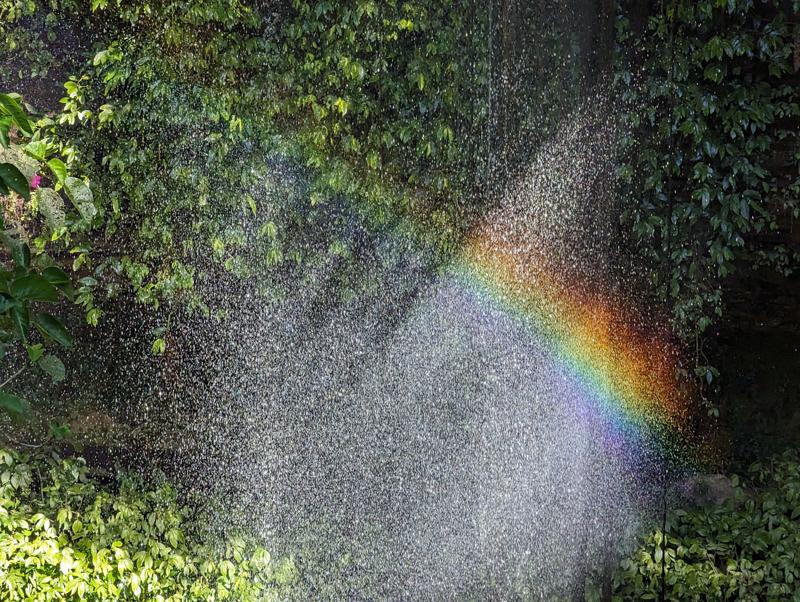
Fotowettbewerb Juli 2026 zum Thema „In voller Blüte“ gestartet!
Passt auf, es wird bunt – der neue Fotowettbewerb ist eröffnet! 🌺 Sonne und Regen spenden L...
Studierende können sich ihr Passwort im Serviceportal selbst neu setzen. Alle anderen senden bitte von ihrer "uni-halle.de"-Adresse eine E-Mail an:
click to copy
Geben Sie im Betreff "Stud.IP Passwort" an. Sie erhalten dann von uns ein neues Passwort an diese Mail-Adresse.
Passt auf, es wird bunt – der neue Fotowettbewerb ist eröffnet! 🌺 Sonne und Regen spenden L...
Der Monat ist vorbei, die Stimmvergabe ist abgeschlossen – das Foto des Monats im Juni steh...
In der 34. Kalenderwoche werden wir das Stud.IP aktualisieren. In den kommenden Wochen werden wir...
Bitte beantragen Sie den Zugang zu Stud.IP mit dem folgenden Formular Haben Sie bereits eine universitäre E-Mail-Adresse, reicht ein formloser Antrag an die Administratoren . Bitte vergessen Sie nicht die Einrichtung zu nennen in die Sie eingetragen werden sollen.
Die Anmeldung zum Stud.IP erfolgt mit dem Nutzerkennzeichen und dem Passwort, das ihr mit euren Immatrikulationsunterlagen erhalten habt. Das Passwort könnt ihr im Serviceportal für Stud.IP und für andere IT-Dienste neu setzen.
Ausführliche Informationen zu gespeicherten Daten sowie zur Löschung von Daten finden sich unter dem Punkt „Datenschutzbestimmung" im Footer.
